
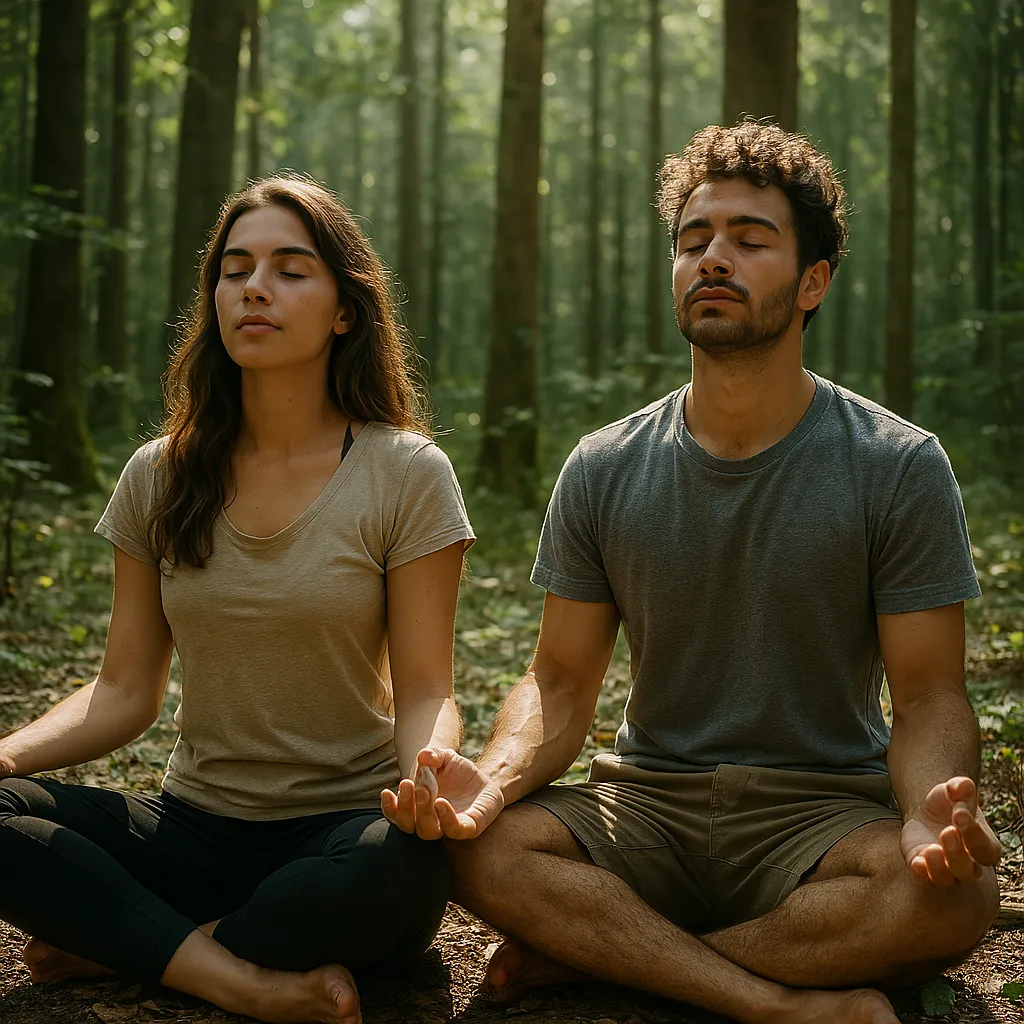
Exploring Physical, Mental, Social, and Spiritual Rest through the Lens of Ancient Chinese Chi Practices
In our modern world, rest often seems elusive, hidden behind a veil of productivity and endless to-do lists. Many of us think of rest as merely catching a few extra hours of sleep or lounging on the couch after a long day. But true rest is an art composed of several distinct forms, each nourishing a different facet of our existence. Physical, mental, social, and spiritual rest are the four essential pillars on which a balanced, vibrant life rests. Astonishingly, these categories were recognized and honored thousands of years ago by ancient Chinese sages, who developed hard and soft chi exercises designed to replenish and harmonize the mind, body, and spirit.
This blog post will guide you through an exploration of each type of rest, reveal their unique benefits, and illustrate how integrating them—much like the ancient Chinese balanced hard and soft chi—can transform your life.
Physical Rest: Recharging the Body
Physical rest is the most intuitive and, perhaps, the most neglected type of rest in a society that prizes busyness. It involves giving the body time to recover and repair, not just through sleep, but also via practices that reduce muscular tension, soothe the nervous system, and promote circulation.
Hard Chi and Physical Rest
Ancient Chinese traditions such as Kung Fu and hard Qigong are often considered “hard chi” practices. These exercises build resilience and endurance, but they also teach the importance of deliberate pauses—moments of stillness where practitioners focus on breath, alignment, and relaxation. This interplay between exertion and surrender is the essence of physical rest: the body grows stronger not only through effort, but through intentional recovery.
Examples of Physical Rest
- Taking a brisk walk followed by gentle stretching
- Practicing deep diaphragmatic breathing (belly breathing)
- Engaging in restorative yoga or mindful movement
Benefits: Physical rest reduces fatigue, supports immune function, decreases the risk of injury, and enhances overall vitality. Like the cycles of tension and relaxation in hard chi, the body thrives when periods of activity are balanced with nourishing rest.
Mental Rest: Calming the Mind
While physical rest addresses the body, mental rest soothes the mind. In an age of information overload, our thoughts are rarely still. Mental rest involves stepping back from constant stimulation—emails, notifications, problem-solving—and allowing the mind to settle.
Soft Chi and Mental Rest
Ancient Chinese arts like Tai Chi and soft Qigong are celebrated for their meditative, flowing movements. These “soft chi” practices encourage mindfulness, presence, and gentle focus, helping practitioners release mental tension and cultivate clarity. The slow, intentional movements mirror the gentle ebb and flow of thought, creating a moving meditation that refreshes the mind.
Examples of Mental Rest
- Setting aside technology for a digital detox
- Practicing mindful breathing or guided meditation
- Journaling to process thoughts and emotions
Benefits: Mental rest boosts creativity, sharpens concentration, improves memory, and lowers stress. Just as the ancient Chinese balanced hard and soft, alternating between focused effort and mental stillness yields greater cognitive harmony.
Social Rest: Nourishing Connections
Often overlooked, social rest refers to the need to find balance in our interactions with others. It is not only about withdrawing from draining relationships, but also about seeking out nourishing social connections that replenish us.
Chi Practices and Social Balance
Chinese philosophy recognizes the power of collective energy, or “chi,” in group practice—whether in synchronized martial arts routines, communal Tai Chi in public parks, or shared tea ceremonies. These experiences foster a supportive atmosphere, providing both stimulation and a sense of belonging. At the same time, periods of solitude or quiet companionship are equally valued, allowing for restoration of social energy.
Examples of Social Rest
- Spending time with uplifting friends or supportive communities
- Setting boundaries with demanding individuals
- Enjoying solitude or reflective moments with a close companion
Benefits: Social rest improves emotional resilience, nurtures self-worth, and reduces feelings of loneliness. Like communal chi exercises, it is the balance of energetic exchange and restorative withdrawal that creates a healthy social ecosystem.
Spiritual Rest: Renewing the Spirit
Spiritual rest is the deep sense of connection and purpose that transcends everyday concerns. It is found in moments of awe, gratitude, prayer, or meditation—practices that align us with something greater than ourselves.
Chi and Spiritual Renewal
In Taoist and Buddhist traditions, chi is not just energy for the body, but for the spirit. Soft chi exercises, such as Qigong meditation, guide practitioners to attune to the natural world, aligning their energy with the rhythms of the universe. Practices like contemplation, chanting, and silent retreat are ancient tools for spiritual renewal.
Examples of Spiritual Rest
- Practicing gratitude or keeping a gratitude journal
- Engaging in prayer, meditation, or mindfulness rituals
- Spending time in nature, absorbing beauty and tranquility
Benefits: Spiritual rest fosters inner peace, resilience in the face of adversity, and a lasting sense of meaning. Like the ancient practice of aligning one’s chi with the cosmos, spiritual rest grounds us in a sense of belonging to the world.
Bringing Balance: The Dance Between the Four Types of Rest
The wisdom of the ancients teaches that rest is not a single destination, but a multifaceted journey. Just as the Chinese philosophy of yin and yang emphasizes balance between opposing forces, so too must we balance each type of rest. Overemphasizing one at the expense of others can lead to imbalance: a physically rested body may still be mentally exhausted or spiritually depleted.
Practical Ways to Integrate the Four Types of Rest:
- Schedule short breaks throughout your day to stretch, breathe, or reflect
- Alternate periods of focused work with mindful, restorative activities
- Seek out social interactions that uplift, and be intentional about alone time
- Establish personal rituals that connect you with your sense of purpose and wonder
Consider the ancient Chinese approach: after engaging in hard chi exercises that require strength and discipline, practitioners would follow up with soft chi to restore, harmonize, and integrate the energy. This pattern—exertion followed by restoration—applies equally to our modern lives. By tuning in to the needs of body, mind, heart, and spirit, we honor our whole selves.
Conclusion: The Gift of Rest
Rest, in its truest sense, is not a sign of weakness or laziness, but a profound act of self-care and wisdom. By embracing the four pillars of rest—physical, mental, social, and spiritual—we create a life that is not only productive, but also deeply fulfilling. Whether through the lens of ancient Chinese chi exercises or contemporary well-being practices, balance is the key.
So, take a moment now: pause, breathe, and ask yourself—which type of rest does your soul crave today? The journey to true vitality begins with the gentle art of resting well.