
Lessons from a Fish Tank and the Spaces We Shape
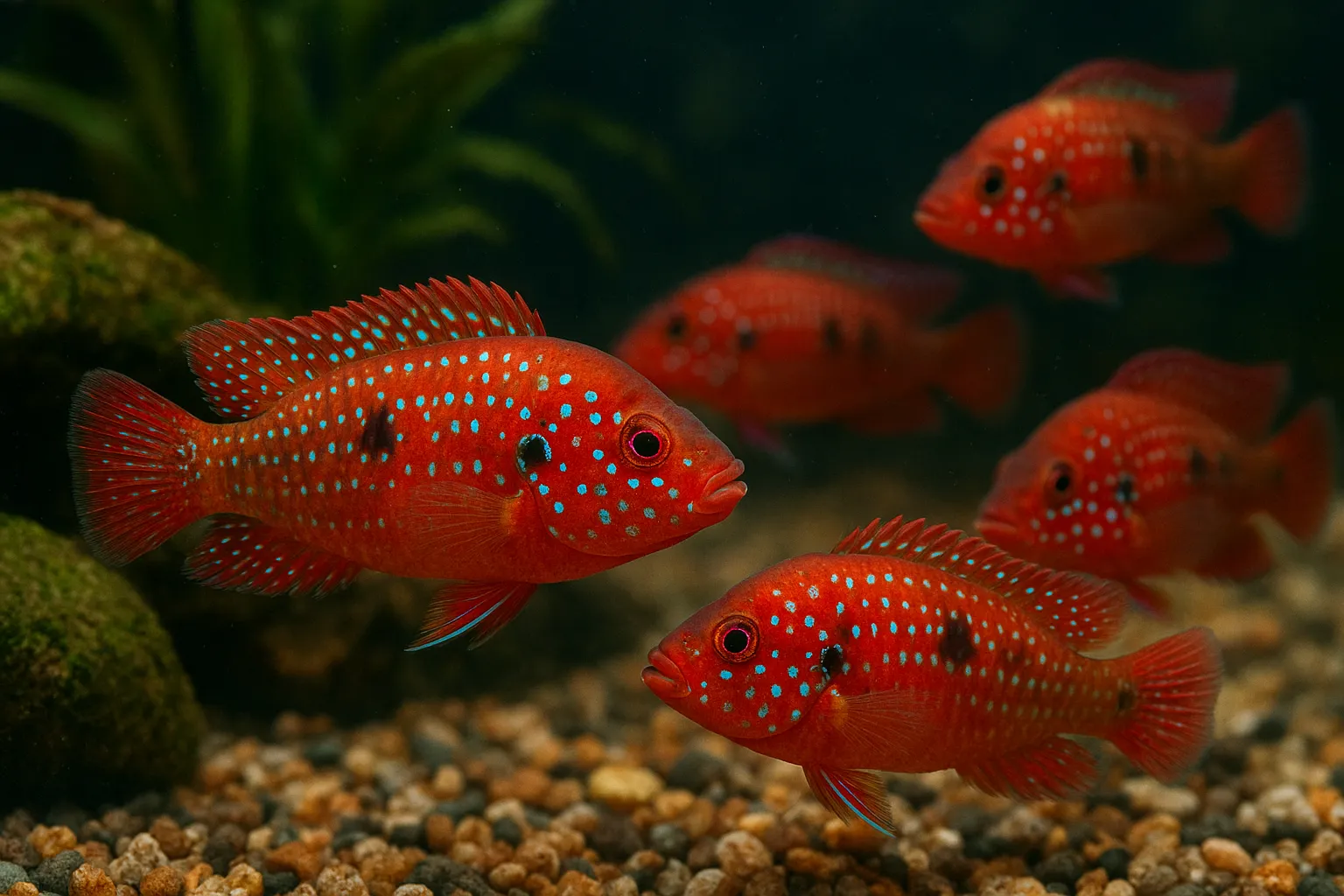
This past weekend, I found myself elbow-deep in my fish tank, scrubbing glass and adjusting lights, absorbed in the gentle rhythm of water and the curious gaze of my aquatic companions. As I worked, I couldn’t help but reflect on the undeniable significance of environment—not just for fish, but for ourselves.
Fish are, in many ways, straightforward creatures. Their needs are clear: clean water, enough light, steady oxygen, the right food. Yet, it never ceases to amaze me how a small shift—a new lamp, an extra air stone—translates instantly into a surge of vitality. In just a few days, my tank transformed. The fish swam with brighter colors and livelier movements. Two Jewel cichlids paired off, delicately guarding their clutch of eggs, embodying both instinct and devotion. Watching them, I was reminded that even the simplest creatures thrive when their surroundings support them.
But this isn’t just about fish.
Our own environments shape us in subtle and dramatic ways. Think about the last time you reorganized your kitchen, cleared your car, or tidied your workspace. Did you notice a shift in your energy, focus, or mood? The changes don’t have to be drastic. Sometimes, just placing a bowl of fruit where you’ll see it—while tucking the cookies out of sight—makes healthy choices easier and, over time, reshapes habits and waistlines.
We often underestimate the power of these minor tweaks. Yet, small changes compound, just as a little more light or oxygen transforms a tank.
I’ve read stories of people leaving positive notes on their bathroom mirrors or setting up dream boards to “manifest” their goals. Metaphysics aside, there’s something undeniably effective about bringing your ambitions into view. When you know what you want—when you can see it, touch it, or are constantly reminded of it—recognizing the path to get there becomes less daunting and more tangible.
So, pause for a moment: What small change could you make today that would gently nudge tomorrow in a better direction? Could a new lamp brighten your desk and your mood? Would switching out your snacks, painting your walls, or organizing your living room help you feel more in control or inspired? Sometimes, it’s as simple as making your bed or putting your phone on the other side of the room before sleep.
Ask yourself: Does this change open up bigger options? Could it, over time, lead to a cascade of positive momentum?
The lesson from my fish tank is clear: our environments—physical, mental, and even emotional—are powerful agents of transformation. Sometimes, the smallest things lead to the greatest meaning.
What’s one small change you can make, right now, to set yourself up for success tomorrow?